

How to Choose the Right Agricultural Shade Net for Different Crops
You set up the net, but a few weeks later the leaves look pale and stretched, or scorched at the edges. That is a costly mistake, and a common one. The cause is often a mismatch between the agricultural shade net and the crop. Match the shade percentage to your crop and its growth stage, pick a colour for your climate, and check the material before buying. This guide explains each step in plain words, with tables you can save.
Why Does Shade Percentage Matter for Crops?
Shade percentage tells you how much sunlight a net blocks. A 50% net blocks about half the light. Too much shade slows growth because plants need light to make food. Too little leaves them open to heat and sun stress. A good crop shade net sits in the middle.
Which Shade Percentage Suits Which Crop?
| Shade percentage | Best suited for | Why it works |
| 20–30% | Fruit trees and orchards | Strong light for fruit size, colour and ripening |
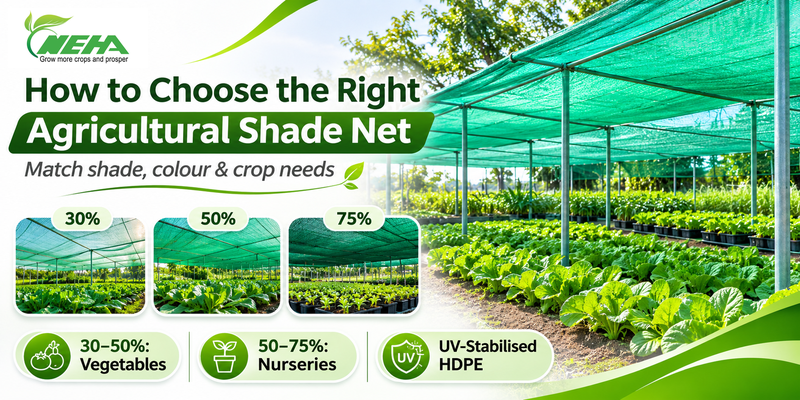
| 35–50% | Field vegetables and leafy greens | Sun relief without starving plants of light |
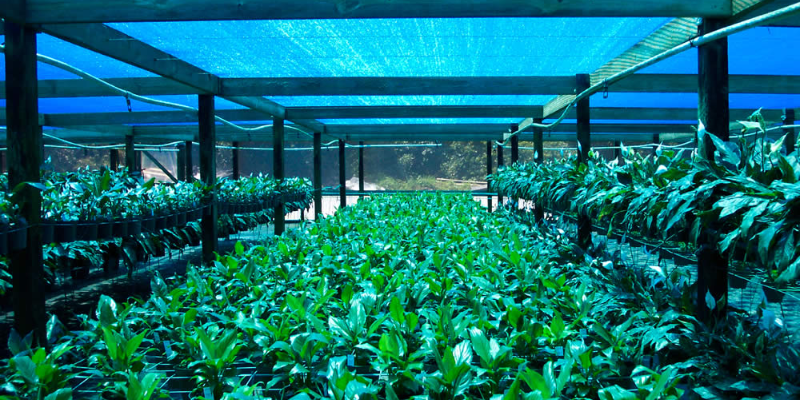
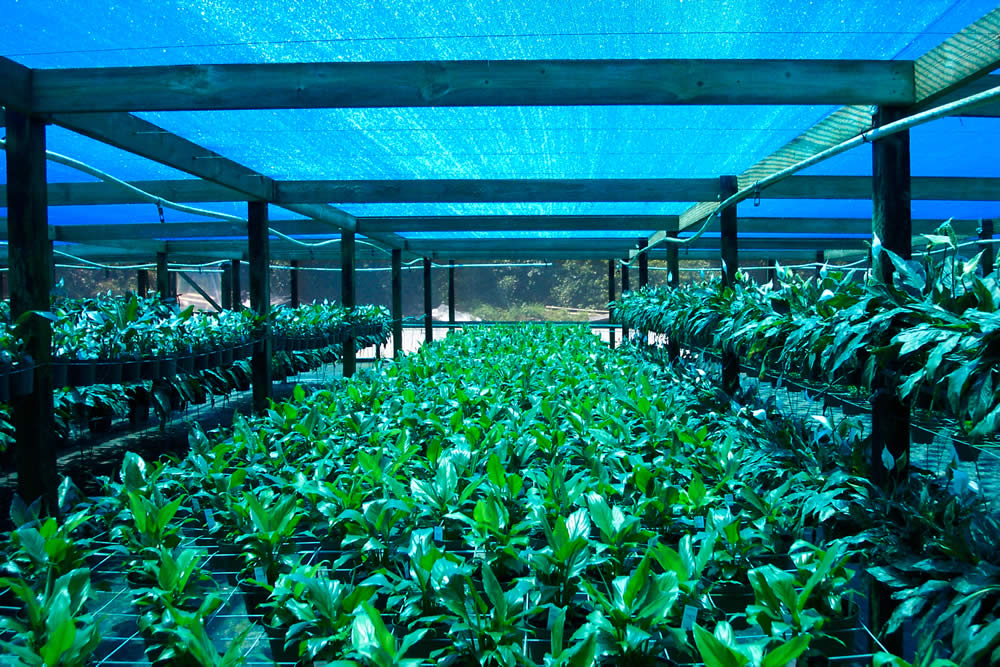
| 50–75% | Nurseries, seedlings, delicate ornamentals | Young, soft plants need gentler light |
| 75–90% | Shade-sensitive plants, livestock or poultry sheds, storage | Heavy shade where direct sun does harm |
These are general ranges. Your crop, location, and season can shift the right choice.
How Does Crop Stage Change the Shade You Need?
The same crop needs different shade at different stages.
- Seedlings: denser shade while roots settle in
- Young plants: lighter shade as they grow stronger
- Mature crops: more light for flowering and fruiting
Many growers reduce shade step by step instead of removing it all at once.
Which Colour Agricultural Shade Net Suits Your Crop?
Colour changes the type of light your plants get, not just the amount.
| Colour | What it does | Common use |
| Green | Balances light for most crops | Vegetables, nurseries, mixed crops |
| White or silver (Aluminet) | Reflects sunlight and spreads light, easing heat stress | Hot climates |
| Black | Blocks more light and holds heat | Nurseries, cooler regions |
| Red, yellow, blue | Shift the light spectrum to shape growth | Specific crops, like bell peppers |
Do Red, Yellow or Blue Shade Nets Boost Yield?
Sometimes, but not always. These nets influence specific growth traits, such as plant height and branching. Results depend on the crop and conditions.
What to Check Before Buying an Agricultural Shade Net?
Two nets with the same shade percentage can perform very differently. Build quality decides how long a net lasts.
Why Does UV-Stabilised HDPE Matter?
Sunlight makes plastic brittle over time. UV-stabilised HDPE resists this, so the net stays strong longer. Depending on specification and climate, a good net often lasts 3 to 5 years or more.
Ask any supplier whether the net uses virgin HDPE and a UV masterbatch. Neha Impex makes its nets this way.
Knitted, Woven or Monofilament: Which Weave to Pick?
The weave affects four things:
- Strength: resistance to tearing
- Flexibility: how easily it fits over a frame
- Airflow: how freely air reaches the crop
- Wind resistance: how it holds in storms
Knitted nets are common in shade houses because they are flexible and easy to fit.
How Do GSM and Roll Size Affect the Choice?
GSM means grams per square metre, the weight of the fabric. Compare GSM only between nets of the same shade percentage; a 75% net naturally weighs more than a 35% net because it uses more yarn.
- Heavier fabric: often points to a sturdier net
- Width and length: should fit your structure with fewer joins
- Reinforced edges: hold clips and ropes without tearing
How Does Local Climate Affect Your Shade Net Choice?
How Does Shade Net for Farming Cut Heat and Water Loss?
A net softens harsh sunlight, so leaves and air under it stay cooler. Cooler plants lose less water through evaporation and leaf pores. You still need to irrigate, but plants may stress less on hot days.
What Works in Eastern India’s Summer and Monsoon?
| Season | Main concern | What to keep in mind |
| Peak summer | Heat and strong sun | Cut harsh light but leave enough for growth; white or silver nets can ease extreme heat |
| Monsoon | Humidity, rain, wind | Keep air moving, since very dense nets can trap humidity; fix the net firmly |
In West Bengal betel vine cultivation, growers using a 50% green net commonly see healthier leaf colour, slower weed growth, and lower water demand within two to three months.
What Mistakes Should You Avoid When Buying Shade Net?
The Highest Shade Percentage is not the Safest Choice
More shade feels safer, but it cuts the light your crop needs. Plants then grow tall and weak, and yields can fall.
Should You Buy on the Lowest Price Alone?
A low price can hide a short life. Nets without proper UV protection turn brittle early and cost more to replace. Reusing an old, brittle net is risky too, as it can tear in the first strong wind.
What Do Stressed Crops Look Like Under the Wrong Net?
| What you see | Likely cause |
| Stretched, pale leaves | Too much shade |
| Scorched or curled leaves | Too little shade or too much heat |
Water, nutrients, and disease can cause similar signs, so check those too.
Checklist Before Buying an Agricultural Shade Net
A clear enquiry helps a supplier suggest the right net. Here’s a checklist before you order:
- Crop and growth stage noted
- Shade percentage suits the crop and stage
- Colour suits your climate
- UV-stabilised HDPE confirmed
- Weave and GSM compared at the same shade percentage
- Width and length fit your structure
- Location, season and quantity ready
The more detail you share, the easier it is to match the net to the crop.
Know What Your Crop Needs, Then Pick the Net
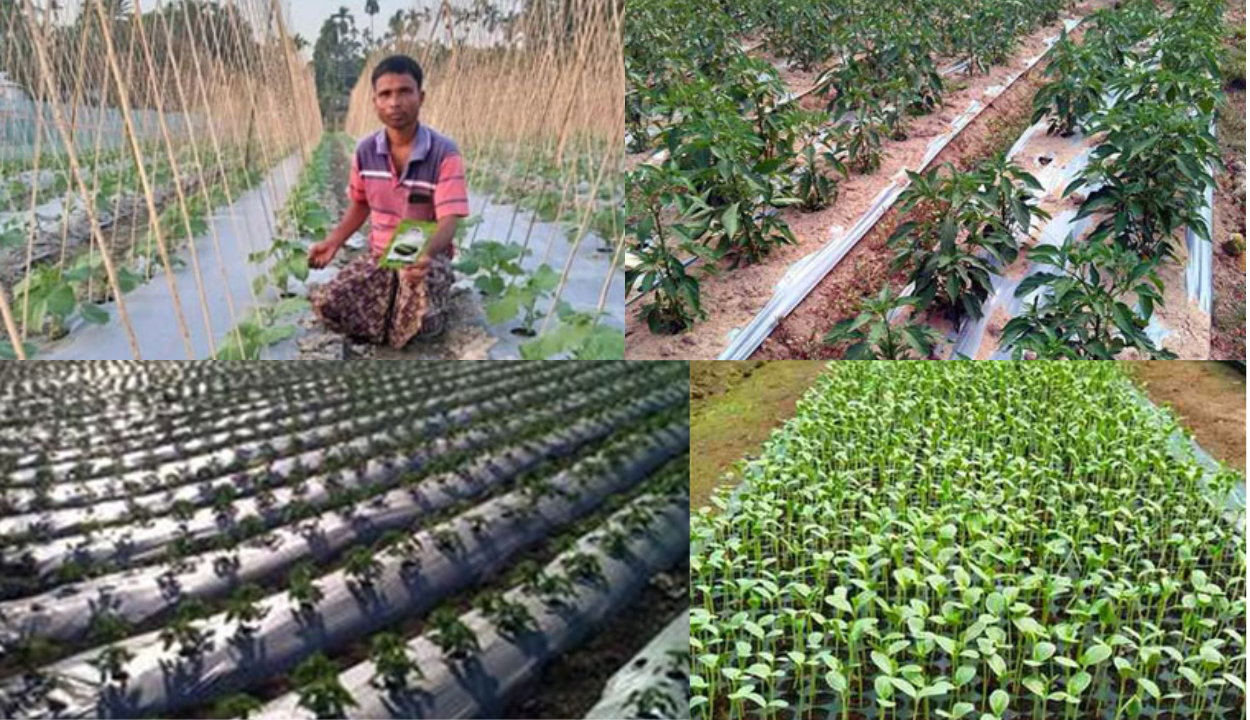
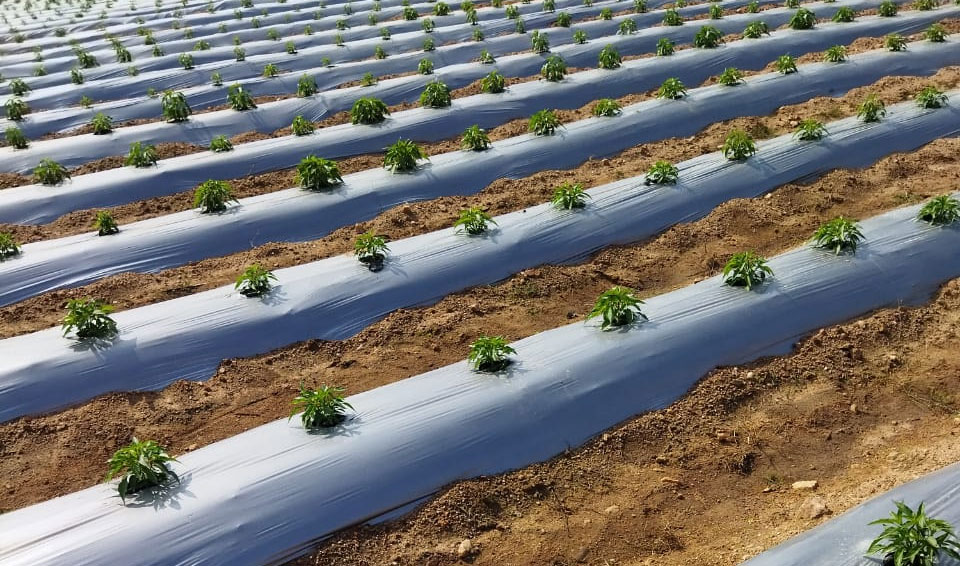
Good crops are protected from above and covered below.
Choosing the right agricultural shade net comes down to a few checks: the shade percentage for your crop and its stage, a colour that suits your climate, a UV-stabilised build, and a weave that handles your weather. Get these right, and you avoid pale, stretched, or scorched plants.
Shade protects the crop from the sun above. Mulch film looks after the soil below by holding moisture and slowing weeds. Neha Impex, in business since 1991, makes both from 100% virgin material and offers 43 product varieties. The next step is simple: note your crop, its stage, and your location, then compare nets on specification, not just price.
Frequently Asked Questions
Q1. Can one shade net be used for more than one crop?
Yes, if the crops have similar light needs. A 50% green net can suit many vegetables, for example. Crops with very different needs, such as orchard trees and seedlings, do better under separate nets.
Q2. How long does an agricultural shade net last?
With proper UV stabilisation and installation, a virgin HDPE net typically serves for 3 to 5 seasons or longer. Nets made from UV-stabilised HDPE usually last longer than low-grade ones, so check the specification before buying.
Q3. Does shade net reduce water use in crops?
It can help. By lowering heat at the plant level, a net reduces water lost through evaporation and leaves. You still need regular irrigation, but plants may need water less often on hot days.
Q4. Can shade net be used during the monsoon?
Yes. Shade nets let rain and air pass through. Fix the net firmly against strong wind and avoid very dense nets in humid spells, so air keeps moving around your plants.
Q5. Is shade net suitable for rooftop gardens too?
Yes. Rooftops get strong sun and heat, so a shade net helps protect pots and beds. Pick a lower shade percentage for sun-loving plants and a higher one for delicate leafy plants.